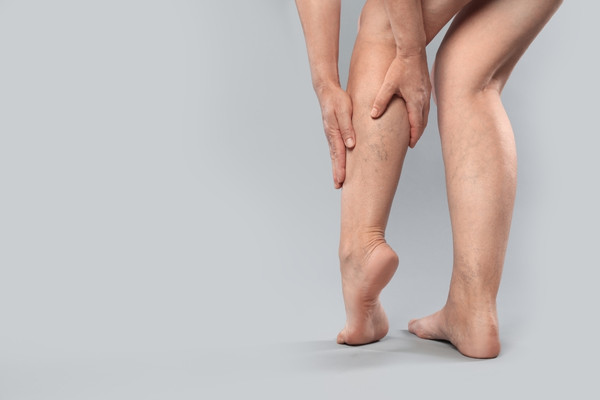

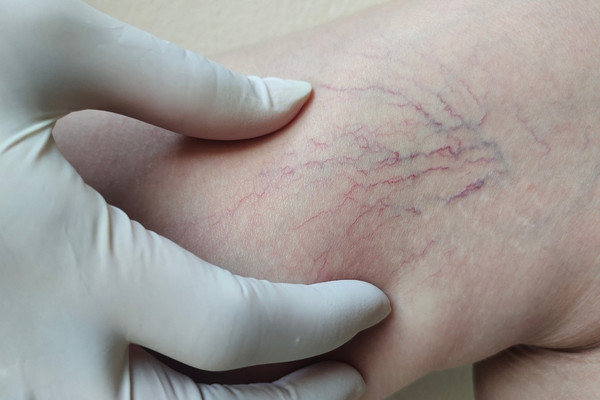

Visible leg veins can be both a cosmetic and a medical issue – a noticeable sign that blood is not moving through the veins as efficiently as it should, which can contribute to swelling, itching and even skin ulcers.
Our founder, Dr Melissa McCann is a Specialist General Practitioner who offers assessment and treatment for spider veins, reticular veins and varicose veins.
Dr Melissa McCann is an experienced GP who has undertaken further training in laser medicine and phlebology, a field focused on the diagnosis and treatment of venous disorders such as varicose veins, spider veins and venous leg ulcers.
Dr McCann offers a medically led approach to vein treatment that looks beyond the surface to assess whether visible veins may be linked to an underlying venous issue.
Some leg veins are harmless and cause no symptoms. Others may be linked to venous insufficiency and can become more troublesome over time.
You might seek a medical opinion when you have:
Dr McCann assesses both the appearance of the veins and whether there may be a deeper circulation issue contributing to them. In some cases, untreated venous disease can progress further and may lead to ongoing discomfort, skin discolouration or venous ulceration.

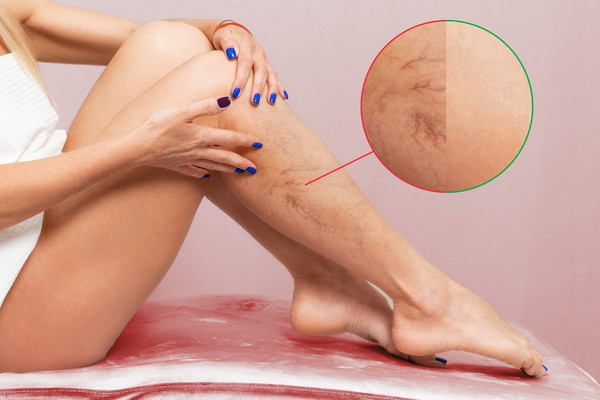
Fine, web-like veins close to the surface of the skin. They are often red, blue or purple and are usually the smallest visible veins.

Slightly larger blue or green veins beneath the skin. These can sometimes act as feeder veins for spider veins.

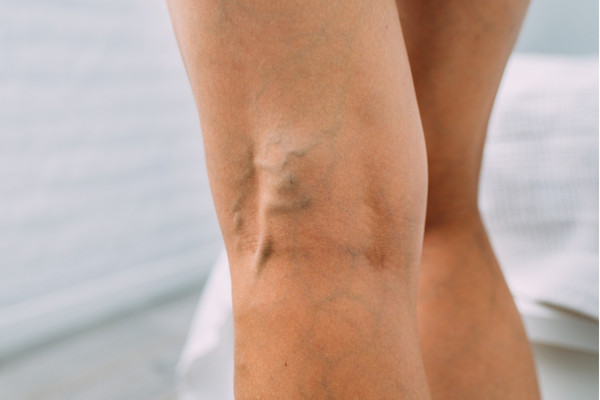
Larger, bulging, rope-like veins that sit deeper beneath the skin. These may be associated with venous reflux and sometimes need further investigation before treatment is planned.
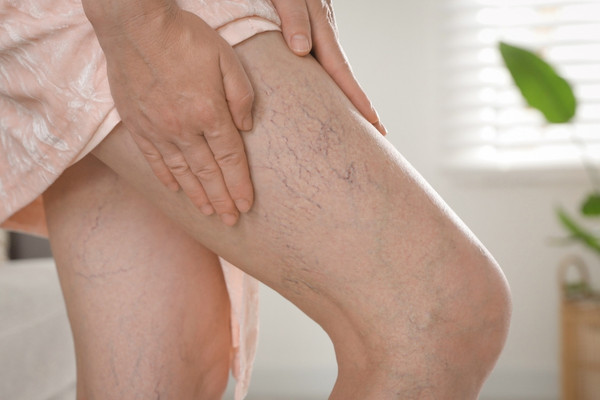
Not all leg veins should be treated in the same way. A proper assessment helps determine what is happening beneath the surface and which treatment approach may be most suitable.
For larger or more symptomatic varicose veins, we may recommend a Duplex or Doppler ultrasound scan to help
This careful approach to diagnosis means your treatment plan is based on clinical assessment rather than guesswork.
Treatment is based on the size, depth and type of veins being treated, as well as whether there is any underlying venous insufficiency.
Some patients need only one type of treatment, while others may benefit from a combination of therapies. Dr McCann will recommend the most appropriate plan based on your clinical needs.

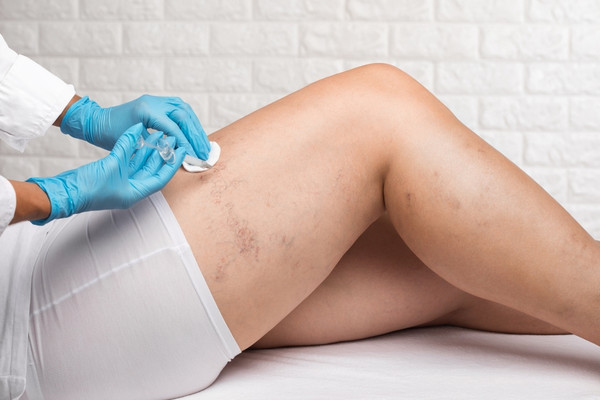
Sclerotherapy involves placing a medical solution into the affected vein. It is commonly used for spider veins, reticular veins and, in some cases, larger veins when ultrasound guidance is required.
You may not be able to fly for a few weeks after sclerotherapy, so please advise your doctor if you have any travel plans.

Laser treatment may be suitable for smaller superficial veins. It is often used for selected spider veins and reticular veins.
Lorem ipsum dolor sit amet, consectetur adipiscing elit. Ut elit tellus, luctus nec ullamcorper mattis, pulvinar dapibus leo.
Dr McCann will examine your veins, discuss any symptoms you are experiencing and talk you through suitable treatment options.
If compression stockings are likely to be needed after treatment, you will be measured during this visit.
If larger varicose veins or venous reflux are suspected, a Duplex or Doppler ultrasound may be arranged.
You will receive a treatment recommendation based on the type of veins present, how extensive they are and whether deeper veins are involved.
This will be provided once your treatment plan is confirmed.
After laser treatment or sclerotherapy, you may:
Before treatment, please let Dr McCann know about:
If laser treatment is being considered, it is best to minimise sun exposure and avoid sunburn in the treatment area for at least two weeks before and after treatment. crusting or not healing, book immediately.
The cost of treatment varies depending on the type of veins being treated, how many areas are involved and whether compression stockings are required.
Most patients require 2 to 3 treatments. A personalised quote will be provided during your initial consultation once your treatment plan has been discussed.
As a guide:
If you are concerned about spider veins, reticular veins or varicose veins, book a consultation with Dr Melissa McCann, Specialist General Practitioner, to discuss assessment and treatment options.
Not always. Some visible leg veins are mainly a cosmetic concern, while others may be associated with venous insufficiency or reflux. An assessment helps determine whether there may be an underlying circulation issue.
Spider veins are fine, web-like veins close to the skin’s surface. Varicose veins are usually larger, bulging veins that sit deeper beneath the skin and may be more likely to cause symptoms such as aching or heaviness.
Not everyone needs an ultrasound. For larger or more symptomatic varicose veins, Dr Melissa McCann may recommend a Duplex or Doppler ultrasound scan to assess blood flow and check for reflux.
Sclerotherapy uses a medical solution placed into the affected vein, while laser treatment uses light energy to target selected superficial veins. The most suitable treatment depends on the size, depth and type of veins present.
Yes. Some patients may benefit from a combination approach rather than a single treatment. Your treatment plan will be based on your assessment and the veins being treated.
Compression stockings are commonly recommended after treatment. If they are likely to be needed, you may be measured for them during your consultation.
Some patients experience mild bruising, swelling or temporary brown discolouration after treatment. Your aftercare instructions will depend on the treatment performed.
You may be advised not to fly for several weeks after treatment. If you have any upcoming travel plans, it is important to discuss them during your consultation.
It may range from $250–$600 per treatment, depending on your needs. You will receive a personalised quote to help you make an informed financial decision.
This depends on the type and extent of the veins being treated. Most patients require 2 -3 treatments.