Starting solids is an exciting milestone for families. Along with new tastes and textures, we now know that how and when you introduce certain foods can help reduce your baby’s risk of developing food allergies.
At our clinic, our doctors have extensive experience caring for babies and young children with eczema and food allergies. We understand that feeding advice can sometimes feel overwhelming — particularly for parents who have allergies themselves or have older children with food allergies. This article provides clear, practical guidance based on current evidence.

When Should My Baby Start Solid Foods?
Babies are usually ready for solid foods around 6 months of age — and not before 4 months.
Signs of readiness include:
- Sitting with support and holding their head steady
- Showing interest in food
- Opening their mouth when food is offered
- Swallowing food rather than pushing it back out
If you are breastfeeding, continue to do so while introducing solids.
Why Early Introduction Matters for Allergy Prevention
Research now shows that delaying the introduction of common allergy-causing foods can increase the risk of food allergy.
Current guidelines recommend that common allergenic foods — including egg and peanut — should be introduced in the first year of life (by 12 months).
Once introduced and tolerated, they should be included at least once a week.
Even babies with eczema or a family history of allergy benefit from this early introduction.
Egg and Peanut: Don’t Delay
Many parents feel nervous about offering egg and peanut — but we now strongly encourage early introduction.
Studies show that introducing well-cooked egg and smooth peanut products soon after solids are started may reduce the risk of developing egg and peanut allergy.
How to Safely Introduce Egg
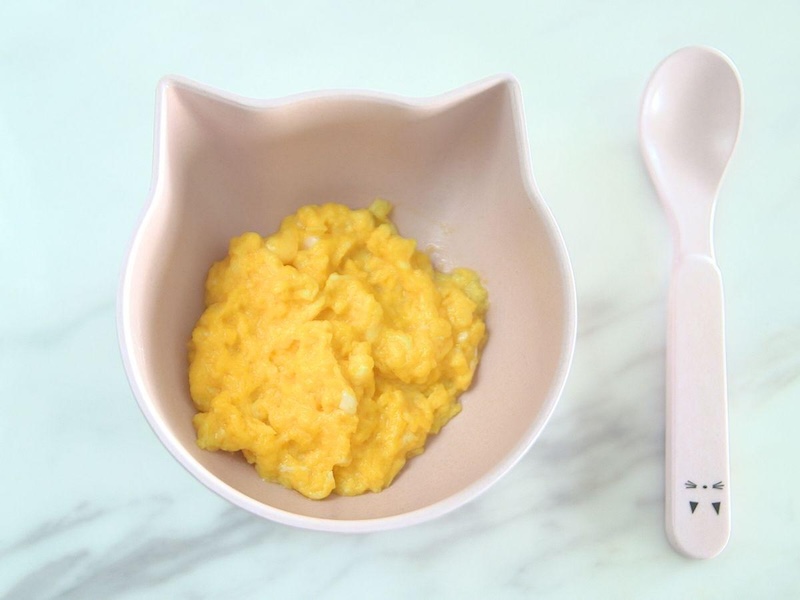
- Use well-cooked whole egg (e.g., mashed hard-boiled egg)
- Start with a small amount (about ¼ teaspoon mixed into puree)
- Gradually increase the amount if there is no reaction
- Continue giving egg at least weekly once tolerated
How to Safely Introduce Peanut
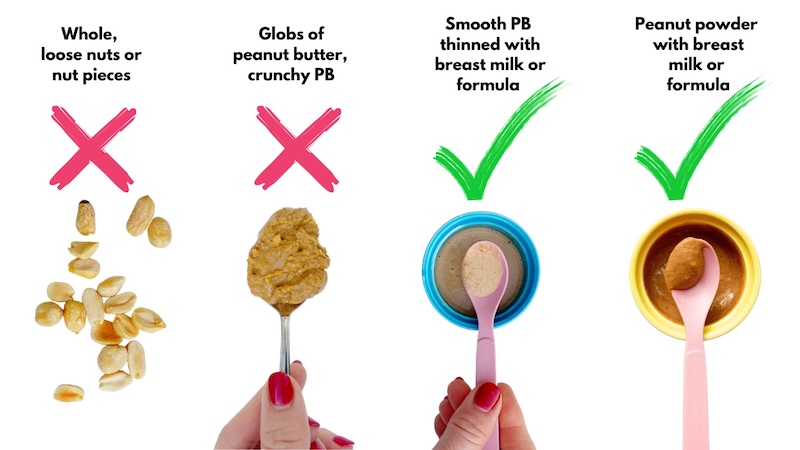
- Use smooth peanut butter, peanut paste, peanut powder, or finely ground peanut
- Never give whole nuts (choking risk)
- Start small and increase gradually
- Continue offering weekly once tolerated
One New Allergenic Food at a Time
When introducing allergenic foods:
- Introduce only one new common allergy-causing food at a meal
- This makes it easier to identify the cause if a reaction occurs
- Once tolerated, continue offering the food regularly (at least weekly)
Other common allergenic foods include cow’s milk (in food form), tree nuts, sesame, soy, wheat, fish and shellfish.
Important: Don’t Rub Food on Your Baby’s Skin
Sometimes parents are advised to “test” foods by rubbing them on their baby’s skin. This is not recommended.
Applying food directly to the skin:
- Does not reliably test for allergy
- Can cause irritation or redness
- May increase allergy risk, particularly in babies with eczema
Research suggests that frequent skin contact with food — especially in babies with eczema — may increase the chance of developing a food allergy
Avoid Skincare Products Containing Food Ingredients
We also advise families to avoid moisturisers or bath products that contain food-based ingredients (for example, products containing milk, oats or other food extracts). Babies with eczema are particularly vulnerable to skin sensitisation.
If you’re unsure about a skincare product, our doctors are happy to review it with you.
What If My Baby Gets a Rash Around the Mouth?
One of the most common (and worrying) scenarios for parents is redness or hives around the mouth after eating.
Good news:
A mild rash limited to the area around the mouth, without other symptoms, is often not a true allergic reaction.
In this situation:
- Try offering the food again on another day when your baby is well
- Apply a barrier cream (such as plain Epaderm ointment) to protect the skin before feeding
- Feed directly with a spoon to minimise skin contact
If symptoms such as swelling, vomiting, breathing difficulty, or widespread hives occur, stop the food and seek medical advice immediately.
Signs of a True Allergic Reaction
Symptoms of an allergic reaction may include:
- Swelling of lips, face, or eyes
- Hives away from the mouth area
- Vomiting
- Coughing or difficulty breathing
- Becoming pale, floppy, or unusually unsettled
If there are signs of a severe reaction, call emergency services immediately.
Our clinic provides comprehensive assessment, diagnosis and management plans for babies and young children with suspected or confirmed food allergy.
Reassurance for Parents
Even when foods are introduced correctly and at the right time, some babies will still develop food allergies.
This is not due to anything you have done wrong.
What matters most is:
- Introducing allergenic foods from around 4–6 months
- Starting with well-cooked egg and smooth peanut products
- Introducing one new allergenic food at a time
- Continuing tolerated foods weekly
- Avoiding food-based skincare products
- Understanding that a mild facial rash alone does not necessarily mean allergy
How Our Clinic Can Help
Our doctors have extensive expertise in:
- Managing eczema in infants
- Assessing suspected food allergies
- Supporting safe introduction of allergenic foods
- Developing personalised feeding and allergy prevention plans
We take a calm, evidence-based approach, working closely with families to build confidence and reduce anxiety around feeding.
If you would like individualised advice or support, we are here to help.
This article is based on current 2026 ASCIA guidelines for food allergy prevention in infants
https://www.allergy.org.au/patients/allergy-prevention/ascia-how-to-introduce-solid-foods-to-babies.